Introduction
Dysphagia, or the difficulty in swallowing, is a common problem that affects millions worldwide. With a maturing population and raising occurrences of conditions like stroke, neurological problems, and cancer, the demand for effective dysphagia management is a lot more crucial than ever. This short article checks out "The Future of Healthcare: Integrating Dysphagia Training right into Nursing Programs," highlighting the significance of specialized training for nurses and caregivers. By including dysphagia training into nursing curricula, we can make sure that healthcare experts are equipped to supply ideal look after individuals with swallowing difficulties.
Understanding Dysphagia: An Overview
What is Dysphagia?
Dysphagia describes a range of ingesting disorders that can cause significant health and wellness difficulties. It might entail issues in any type of stage of swallowing: oral, pharyngeal, or esophageal. Individuals with dysphagia may experience discomfort while swallowing, an experience that food is stuck in their throat, and even aspiration pneumonia because of food getting in the airway.
Prevalence of Dysphagia in Medical Care Settings
Statistics disclose that approximately 15 million individuals in the United States alone struggle with dysphagia. Among senior individuals and those with neurological problems, this figure increases substantially. The influence of neglected dysphagia consists of poor nutrition, dehydration, and a reduced high quality of life.
Common Sources of Dysphagia
- Neurological Disorders: Conditions like stroke and Parkinson's condition can harm the nerve system's control over swallowing. Head and Neck Cancer cells: Treatments such as radiation therapy might affect ingesting ability. Aging Process: Natural aging can bring about muscle changes that add to dysphagia.
The Value of Dysphagia Training for Nurses
Why Nursing Education and learning Need to Include Dysphagia Training
Integrating dysphagia training into nursing programs is not simply advantageous; it's essential. Nurses usually serve as the first line of protection in identifying symptoms associated with swallowing difficulties. Their ability to recognize these concerns early can bring about timely interventions and much better client outcomes.
Benefits of Specialized Training for Care Staff
Training care personnel on exactly how to support individuals with dysphagia guarantees comprehensive treatment. Educated caretakers can add significantly by monitoring people' consuming practices and reporting worries promptly.
Enhancing Patient Security through Dysphagia Care Training
Patient safety and security is paramount in medical care settings. Correct training equips nurses and caretakers with methods to reduce threats such as choking or desire during meals.

Components of Effective Dysphagia Training Courses
Curriculum Design for Dysphagia Training Courses
A reliable dysphagia training course ought to incorporate a number of key parts:
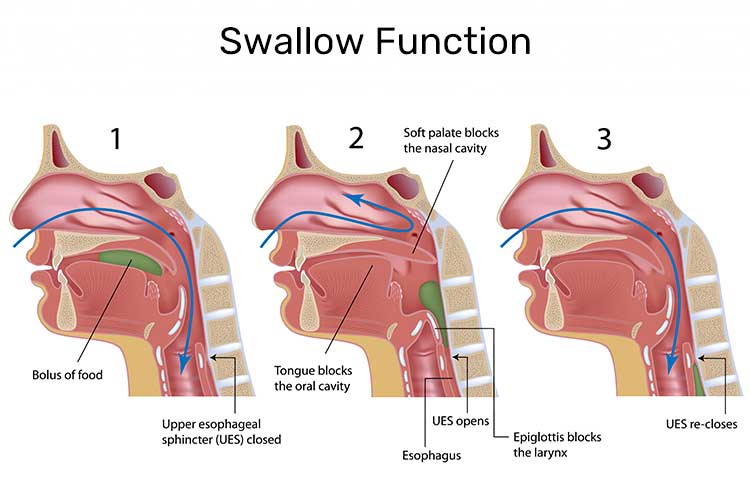
Anatomy and Physiology of Swallowing
Recognizing the mechanics behind swallowing helps doctor analyze problems effectively.
Assessment Techniques
Necessary abilities consist of identifying indications of dysphagia and carrying out swallow assessments.
Intervention Strategies
Registered nurses need to be trained on numerous techniques for helping individuals who have problem swallowing.
Nutritional Considerations
Understanding concerning dietary needs specific to people with dysphagia makes certain proper dietary management.
Patient-Centered Care Models
Promoting compassion and understanding enhances client experiences throughout mealtime.
Types of Dysphagia Training Courses Available
Various programs dysphagia training course are available concentrating specifically on various facets:
- Basic programs for entry-level care staff Advanced courses targeted at seasoned professionals Online workshops providing flexibility
Implementation Techniques for Integrating Dysphagia Training right into Nursing Programs
Developing Collaboration with Educational Institutions
Collaboration between medical care facilities and nursing schools can facilitate educational program advancement that meets existing professional requirements regarding dysphagia management.
Utilizing Simulation-Based Understanding Techniques
Simulation-based knowing allows nursing trainees to practice evaluation strategies in controlled environments prior to collaborating with real patients.
Encouraging Continual Expert Growth (CPD)
Healthcare experts should take part in ongoing education worrying advancing practices related to dysphagia management.
Challenges in Carrying out Dysphagia Training Programs
Resistance from Educational Institutions
Some nursing colleges may resist incorporating new subjects due to time restraints within existing curricula.
Funding Limitations for Training Programs
Budgetary obstacles can impede companies from offering robust training programs focused on specialized topics like dysphagia treatment training.
Keeping Up with Evolving Research Study on Dysphagia Management
As study progresses, instructional materials have to be updated frequently-- an obstacle numerous establishments face because of source limitations.
Case Research studies: Effective Assimilation Examples Worldwide
Example 1: UK Nursing Programs Embracing Dysphasia Modules
In the UK, a number of nursing programs have effectively integrated specialized components focusing on dyslexia support within their educational programs, causing improved individual outcomes across different healthcare settings.
Example 2: Innovative Methods in Australian Medical Care Facilities
Australian hospitals have actually taken on innovative training methods utilizing technology-driven remedies such as digital fact simulations for real-life situations including people with dyslexia concerns.
The Function of Technology in Supporting Dysphasia Education
E-Learning Systems Providing Adaptability in Learning Opportunities
Online courses provide valuable resources that allow nurses from diverse histories accessibility important details concerning caring for those suffering from this condition without geographical limitations.
Utilizing Telehealth Providers for Ongoing Support and Guidance
Telehealth solutions boost interaction between experts-- providing nurses support when browsing intricate cases including individuals experiencing troubles relevant especially towards their inability ingesting correctly; consequently improving patient-centered approaches overall!
FAQ Section
Q1: What does a common dysphasia training program cover?
A common course covers makeup & physiology pertinent to ingesting procedures, assessment techniques, treatment methods, nutritional factors to consider & empathetic communication skills.
Q2: Are there details certifications offered for registered nurses focusing on this area?
Yes! Numerous certification programs exist guaranteeing proficiency over essential skills required when attending to instances including individuals diagnosed particularly resisting conditions impacting their capability swallow safely.
Q3: Exactly how commonly ought to continuing education take place concerning progressing practices?
Continuing education needs to take place annually or biannually relying on institutional requirements ensuring professionals remain enlightened concerning advancements made within dealing with various facets bordering disordered ingestion.
Q4: Can family members benefit from learning more about handling signs related to these disorders?
Absolutely! Family-oriented workshops help educate enjoyed ones enabling them assistively support those dealing with obstacles positioned by problems affecting one's ability swallow comfortably.
Q5: What prevail warning signs indicating a person may be experiencing difficulty?
Warning indications include coughing/choking during meals; constant throat clearing up; really feeling food stuck after ingesting it; unusual weight-loss over time.
Q6: Is there monetary assistance readily available for companies desiring implement such programs?
Many grants exist targeting medical care renovation initiatives; connecting local government offices can verify valuable uncovering funding resources customized supporting interests towards establishing comprehensive trainings.
Conclusion
As we look towards "The Future of Medical Care: Incorporating Dysphagia Training into Nursing Programs," it becomes clear that outfitting our healthcare labor force with necessary understanding around handling this problem will produce extensive advantages not only for clients yet additionally enhance overall solution shipment across different caregiving settings-- from hospitals via homecare atmospheres alike! By prioritizing extensive education and learning efforts concentrated specifically dealing with concerns faced by those resisting consistent difficulties associated insufficient feeding mechanisms-- let us lead method brighter future making sure every specific receives required top quality treatment they rightfully deserve!
